
It usually doesn’t feel like a mistake at the start.
You walk into a showroom, see a set of solid wood cabinets, maybe pair it with stainless steel appliances, and suddenly you can picture the whole kitchen. It feels like progress. Like things are moving.
Then the decisions stack up. Layout, lighting, budget, materials. One choice leads to another, and before you know it, the kitchen remodel starts to feel heavier than expected.
Here’s the part many homeowners miss. The problems don’t show up during installation. They begin earlier, in the planning stage, when everything still feels flexible.
In Winter Park, that matters more. Some homes have tight layouts. Others have older kitchen walls that aren’t perfectly straight. That changes how a kitchen renovation should be approached.
This guide walks through the kitchen remodel mistakes that tend to start everything off in the wrong direction—and how to avoid them before they cost you time and money.
Kitchen Remodel Mistakes Start with the Wrong Sequence
Most kitchen remodel mistakes don’t look like mistakes at first.
They look like decisions. Good ones, even. You start choosing countertops, thinking about finishes, maybe picking out appliances early because they are on sale. It feels productive.
But the order is off.
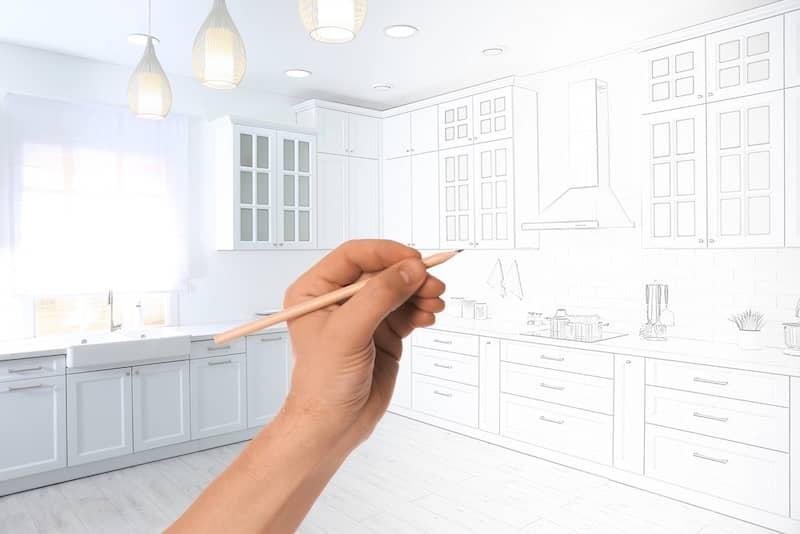
A kitchen remodel works best when it follows a sequence. Layout first. Then cabinetry. Then appliances. Then finishes. When that order flips, the entire project starts adjusting in ways you don’t expect.
A tight kitchen layout affects flow. That affects where the sink, stove, and refrigerator can go. Then storage gets compromised. Lighting decisions get pushed to the end.
And by then, changing anything costs more.
Most common kitchen remodeling mistakes are not about design choices. They come from deciding things too early, in the wrong order.
Mistake #1: Choosing Cabinets Before the Floor Plan
It usually starts with something that feels right.
You see a set of new cabinets. The finish works. The drawer fronts feel solid. Maybe it is ready to assemble, or maybe it is fully custom. Either way, it clicks.
So you move forward.
The problem is, the kitchen layout is not fully locked in yet.
Cabinets are not just visual. They define countertop space, storage, and how everything fits. Even the way doors open or how a dishwasher clears depends on this.
A common situation in Winter Park homes is adding an island that looks great on paper. Once installed, there is not enough space to move around comfortably. The door swing becomes an everyday issue.
This is one of those kitchen design mistakes that is expensive to fix because everything connects back to it.
A well-designed kitchen always starts with how you move through the room, and this is where understanding the fundamentals of kitchen design essentials makes a real difference. How you cook, where you prep, and how you access things. Cabinets should follow that logic, not lead it.
Mistake #2: Underestimating the Budget (and Where It Actually Goes)
Most budgets start with a rough number.
It sounds reasonable. It matches what you had in mind for the kitchen remodel. Then the details start to fill in, and the numbers shift.
It is not just about cabinets and countertops. The budget includes demo, electrical, plumbing around the sink, flooring, and full installation. Even smaller items like tile, paint, or a backsplash begin to add up.
Winter Park homes can introduce a few surprises, too. Older structures sometimes come with uneven walls, outdated wiring, or hidden repairs that need attention before anything new goes in.
This is where many homeowners try to save money. They cut back early, thinking it would help control the budget. In reality, it often leads to spending more later.
It helps to separate things clearly. Finishes affect how the kitchen looks. Structure affects how it works. Fixing the structure later is always more expensive.
A balanced approach keeps the entire kitchen working long after the project is done. If you want a clearer way to map out costs early, this guide on how to plan a kitchen remodel that fits your budget helps avoid common surprises.
Mistake #3: Not Understanding Remodeling Quotes
Quotes can be confusing, especially when they look similar.
At first glance, the numbers might be close. But what sits behind those numbers can be very different.
One quote may include detailed prep work, full installation, and clearly defined materials. Another might leave out key steps or rely on allowances that change later.
This is one of the quieter kitchen remodel mistakes because it doesn’t show up until the project is already moving.
Many homeowners compare only the final price. That’s where things start to go off track.
A few areas are worth slowing down for:
- Are electrical and lighting updates included?
- Are appliances and hookups clearly listed?
- Is the cabinetry fully defined?
- Are materials like granite or flooring specified
If those details are vague, the cost can shift mid-project.
Understanding the scope protects both your timeline and your money. It also helps you avoid some of the most common mistakes tied to expectations.
Mistake #4: Ignoring How the Kitchen Is Actually Used
A lot of kitchen design decisions are made based on how things look.
Clean lines. A bright style. Maybe a large island that becomes the centerpiece of the room. All of that matters, but it should not come first.
What matters more is how you use the kitchen every day.
Some homeowners rely heavily on small appliances. Others cook often and need more prep space. In some homes, large appliances take up most of the layout.
One detail that shows up often in Florida homes is refrigerator depth. A standard unit gets installed in a space designed for counter depth. It sticks out further than expected and cuts into the walkway. That affects flow more than most people realize.
Lighting plays a role, too. Ambient lighting helps the space feel bright. Task lighting makes it easier to actually work.
When the layout matches your routine, everything feels more natural. That is how you create a functional space without sacrificing design.
Mistake #5: Trying to Save Money in the Wrong Places
Every project comes with a limit. Wanting to save money is part of the process.
The difference is knowing where it makes sense to cut back.
Some areas are flexible. You can adjust high-end finishes. You can switch out a backsplash or simplify hardware. Those are easier to update later.
Other areas are harder to fix once installed. Lower-quality cabinetry can wear down quickly. Poor installation can affect alignment. Surfaces that scratch easily won’t hold up.
A simple breakdown helps:
|
Area |
Safe to Adjust |
Risky to Cut |
|
Style |
Paint, tile, lighting |
Layout and flow |
|
Materials |
Decorative upgrades |
Cabinet structure |
|
Storage |
Minor changes |
Core functionality |
Many homeowners try to save early, only to spend more correcting issues later.
Focus on durability first. Then shape the look around your budget.
Mistake #6: Not Planning for Delays (Especially in Winter Park Homes)
Timelines look clean on paper. Real projects rarely follow them exactly.
In Winter Park, delays often come from the home itself. Older properties near Park Avenue or established neighborhoods may have aging plumbing or structural quirks. Sometimes, unnecessary soffits need to be removed. Sometimes the ceiling or framing needs adjustment.
Permits can add time as well. The City of Winter Park has its own process, and inspections can extend the schedule depending on the scope.
Then there are materials. Custom cabinets, specialty countertops, and certain appliances can take longer than expected.
A simple situation illustrates this well. Appliances get delivered early. The refrigerator and dishwasher arrive before the space is ready. Now they sit on-site, exposed, while work continues.
Planning for flexibility helps avoid that.
Take time to double-check measurements. Use tools like a laser level during prep. Build additional time into your schedule so delays don’t disrupt the entire remodel.
How to Avoid These Kitchen Remodel Mistakes Early
Avoiding kitchen remodel mistakes is less about perfection and more about sequence.
Start with the kitchen layout. Focus on movement, flow, and how everything connects. Make sure there is enough space between key areas like the sink, stove, and refrigerator.
Once the layout is clear, move into cabinetry and storage. Think about how drawers, cupboards, and access points will be used every day.
Budget clarity comes next. Know where the money goes, not just on visible finishes but behind the walls as well.
A simple checklist can help keep things on track:
-
- Finalize the layout before choosing cabinets.
- Confirm appliance sizes and placement.
- Review quotes in detail.
- Plan both ambient and task lighting.
- Allow extra time for delays.
Working with experienced kitchen remodelers or a principal designer helps catch issues early. That kind of expert advice can prevent small problems from turning into expensive ones.
Getting a Kitchen Remodel Right the First Time

A successful kitchen remodel comes down to getting the basics right.
Most kitchen remodel mistakes happen early, when decisions feel small but shape everything that follows. Layout, planning, and budget carry more weight than finishes.
In Winter Park, each home brings its own challenges. That is where a thoughtful approach makes the difference.
Nu Kitchen Designs focuses on building from the ground up. Start with how you use the kitchen. Build a layout that works. Then layer in design choices that fit your space.
When that foundation is solid, the result lasts. A new kitchen that feels right, works well, and holds up over time without constant fixes.