
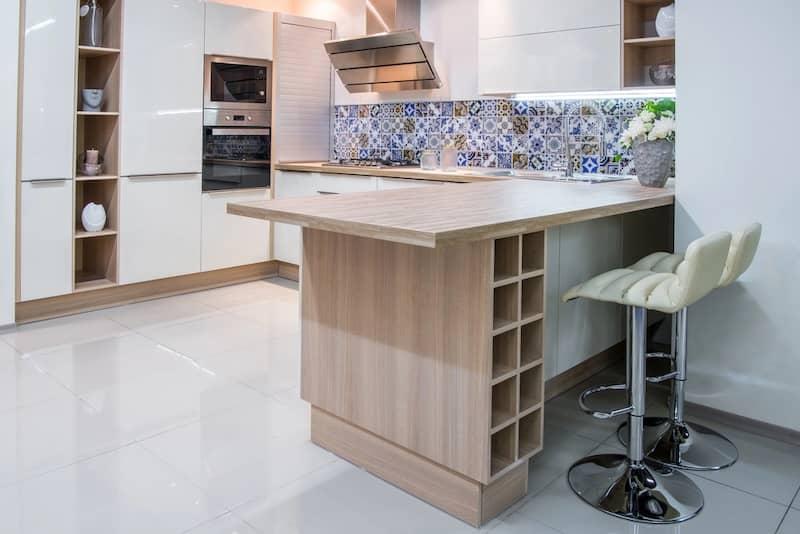
You probably noticed how every modern kitchen online seems to remove upper cabinets completely. Bright open shelving, floating wood shelves, minimal clutter, and perfectly arranged dishes everywhere. It looks clean, calm, and effortless.
Then you picture your actual kitchen.
The blender stays on the countertop. Kids leave cups beside the sink. Bulk groceries fill the pantry faster than expected. Add Orlando humidity, cooking steam, grease, and nonstop AC airflow, and suddenly that minimalist look feels a lot harder to maintain in real life.
That is why open shelving vs. upper cabinets has become a much bigger conversation during the planning stage of a kitchen remodel. The decision affects storage, cleaning, resale, and daily workflow more than most homeowners expect at first.
Before replacing kitchen cabinets or removing a wall of cabinetry, it helps to understand what actually works long-term in Florida kitchens.
Quick Takeaways
|
Open Shelving vs. Upper Cabinets Changes More Than Kitchen Style
Choosing between open shelving vs. upper cabinets changes how your kitchen feels once daily life settles back in. At first, most people focus on aesthetics. You want the room to feel lighter, more modern, and less closed off.
A few months later, functionality usually becomes the bigger conversation. A kitchen can photograph beautifully and still become frustrating to live with every day, especially when homeowners overlook the smaller layout mistakes during a kitchen remodel that affect workflow long after construction ends.
Storage Directly Changes Daily Workflow
You need enough storage space for actual life, not just inspiration photos online.
Most Orlando families store more in the kitchen than they initially realize. Air fryers, rice cookers, coffee machines, oversized pots, kids’ lunch containers, and backup groceries all compete for the same space. Once too many upper cabinets disappear, items slowly migrate back onto the countertop again.
That is usually when clutter starts creeping in.
A small kitchen feels this faster because every inch matters. Without enough closed cabinets, you often end up searching for places to store small appliances that are not exactly attractive enough to leave out all the time. The kitchen may feel visually open while becoming harder to manage day to day.
Open Shelving Changes the Cleaning Reality
Orlando kitchens age differently because of humidity.
Cooking oils, moisture, airborne dust, and AC circulation all mix together constantly inside the house. Over time, exposed shelves develop a light sticky layer that catches more particles than people expect.
If you have ever grabbed a drinking glass from a high shelf and felt slight tackiness around the rim, you already know what that Orlando kitchen film feels like. Near the stove, buildup happens even faster.
The AC plays a role, too. In Florida, cooling systems run most of the year. Dust does not simply settle here. It keeps circulating through the room repeatedly. That is part of the reason open shelves tend to accumulate dust faster than many homeowners expect, especially near cooking areas.
Meanwhile, closed cabinets create separation from grease vapor, allergens, steam, and everyday buildup moving through the household all the time.
That maintenance side changes the conversation quickly once you actually live in the space.
The Real Advantages of Open Shelving
Even with the cleaning concerns, open shelving still has real advantages when used intentionally. There is a reason so many homeowners gravitate toward it during a kitchen remodel. In the right kitchen, shelves can completely shift how the room feels.
The biggest difference usually comes from visual openness.
Smaller Kitchens Feel More Airy
One of the biggest advantages of open shelving vs. upper cabinets is how much visual weight disappears once heavy wall cabinetry comes down.
Older Orlando homes sometimes have lower ceiling heights or tighter layouts where long rows of traditional cabinets make the kitchen feel compressed. Removing some upper storage creates breathing room immediately.
Natural lighting also moves more freely across the room once the wall feels less crowded.
For example, a smaller Winter Park kitchen with lighter painted cabinetry, soft backsplash tile, and a few floating shelves can suddenly feel much larger without changing the actual footprint.
That visual shift matters more than people expect.
Everyday Items Stay Within Easy Reach
There is also a practical side that many homeowners enjoy. Coffee mugs, cereal bowls, cooking oils, and frequently used dishes become easier to access with open shelves. You are not constantly opening and closing cabinet doors during busy mornings.
This setup generally works well for:
- coffee stations
- breakfast areas
- decorative serving pieces
- display shelves
- kitchens with lighter daily cooking use
The kitchen starts to feel more relaxed and friendly instead of excessively formal.
Open Shelving Creates a More Layered Look
Another reason homeowners like open shelving vs full cabinetry is the texture it adds visually.
Open shelving breaks up long stretches of kitchen cabinets and helps the room feel less heavy. Mixing wood shelves with painted cabinetry, modern hardware, textured backsplash finishes, and carefully selected display pieces often creates a more custom kitchen design.
Glassware, plants, ceramic bowls, and serving dishes become part of the overall style.
Of course, there is another side to that.
Open shelving only stays attractive when the kitchen remains reasonably organized. Once clutter starts building up, the same shelves that once looked modern can quickly make the room feel visually noisy instead. A lot of homeowners do not fully realize that balance during the planning stage.
Where Upper Cabinets Still Perform Better in Orlando Kitchens
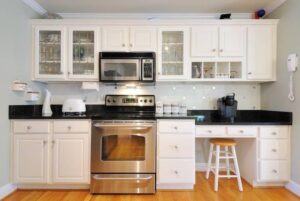
There is a reason upper cabinets still dominate most functional family kitchens. They solve practical problems that open shelving struggles to handle long-term, especially in Florida homes, where humidity and dust create extra maintenance work year-round.
You may love the airy look at first. Then, everyday life returns, and storage suddenly becomes a much bigger issue.
Family Kitchens Usually Need More Hidden Storage
Most homeowners underestimate how much storage they actually use until the cabinets are gone.
The toaster, blender, stand mixer, kids’ snack bins, oversized cookware, and backup pantry goods all need somewhere to go. Without enough closed cabinets, clutter usually finds its way back onto the countertop again. Traditional storage handles that situation better.
It gives you room to:
- Hide visual clutter
- Organize small appliances
- Keep counters tidy
- Reduce stress during busy weeks.
- Store bulkier items behind closed doors.
Larger family households usually feel this issue faster because the kitchen gets used constantly all day.
Most Homes Are Not Display Ready Every Day
This is the moment many people have halfway through the remodel process. Open shelving looks beautiful when every mug, plate, and bowl matches perfectly. Real-life kitchens usually look different.
Most families have:
- mismatched cups
- random water bottles
- plastic containers
- chipped coffee mugs
- oversized appliance accessories
Not everything belongs on display at eye level.
That does not make open shelving a bad idea. Some items simply work better hidden behind cabinet doors, where the kitchen can still feel calm during busy weeks.
Florida Climate Makes Closed Storage More Practical
Orlando homes add another layer to the conversation, because humidity changes how kitchens age.
Grease vapor, cooking steam, and constant AC airflow increase how often exposed shelves need cleaning. Near the stove, buildup occurs surprisingly fast.
Meanwhile, closed cabinets protect:
- dishes
- glassware
- pantry items
- cooking supplies
- appliances
from constant exposure.
And because the AC runs most of the year here, airborne dust keeps circulating through the home instead of simply settling once.
Over time, many homeowners start appreciating closed cabinets for more than storage alone. They also help separate dishes and cookware from allergens, grease, and everyday buildup, moving through the air constantly.
Why Most Orlando Kitchen Remodels Now Use Hybrid Layouts
Most professionally designed kitchens no longer go fully in one direction. Orlando homeowners usually land somewhere in the middle instead.
That is why hybrid layouts have become so common during a kitchen remodel. Instead of choosing all open shelving or all upper cabinets, homeowners combine both based on how the kitchen actually functions.
You may see:
- Floating shelves near windows
- Decorative shelving above coffee stations
- Glass doors mixed into upper cabinetry.
- Closed storage around cooking areas
- Extra drawers added below.
- Appliance garages near prep zones
That appliance garage detail is more important than people think. Your mixer, toaster, or coffee machine stays hidden, but still accessible. Meanwhile, the open shelves remain reserved for cleaner display pieces instead of everyday clutter.
The kitchen still feels modern without sacrificing too much storage space, which becomes especially important during the planning stage of a kitchen remodel when cabinetry costs, shelving materials, and storage priorities start affecting the overall budget.
A skilled kitchen remodeler usually knows where shelving works well and where hidden storage matters more. Shelves installed too close to the stove often become frustrating to maintain later. Removing too much cabinetry can also leave the kitchen looking attractive but functioning poorly once daily routines return.
What Works in Older Orlando and Winter Park Homes Often Looks Different Online
A lot of inspirational photos online come from oversized custom homes with huge hidden storage areas sitting somewhere outside the camera frame.
Older Orlando and Winter Park homes work differently.
Many have lower ceilings, tighter layouts, uneven walls, and limited pantry space. Some older homes also need reinforcement before floating shelves can safely support heavy dishes long-term. That changes the conversation quickly.
For example, a wall may need extra plywood backing before shelving can be securely installed. Lighting conditions can also affect whether removing upper cabinets actually makes the room feel brighter or simply emptier.
Even the placement of the dishwasher, sink, surrounding lower cabinets, or nearby wall space can influence whether open shelving feels practical day to day.
Experienced local designers pay attention to how the kitchen functions inside the actual home instead of blindly copying trends online.
Sometimes the best solution is not the most minimalist one. It is simply the one that works naturally for your family.
Resale Value: What Orlando Buyers Actually Notice
Resale conversations around open shelving vs. upper cabinets are rarely simple. Buyers may love the look of modern shelving during a showing, but practicality still becomes a major factor once they picture themselves living there.
Storage quietly shapes how people judge kitchens.
Buyers Love Bright Open Kitchens First
Open shelving creates a strong visual impact immediately. The kitchen often feels larger, brighter, and more modern once heavy wall cabinetry disappears. Combined with wood textures, updated hardware, and clean backsplash finishes, the room photographs extremely well online, too.
That emotional first impression matters.
Buyers Still Check Storage Quickly
Once buyers move past aesthetics, they start opening doors and checking functionality.
They notice whether:
- Appliances can be hidden.
- Cookware has enough space.
- Pantry storage feels sufficient.
- The kitchen supports daily family use.
Larger households and serious home cooks usually immediately focus on this.
In higher-end Orlando homes, buyers may accept more open shelving if there is already a large walk-in pantry nearby. Without additional storage elsewhere, removing too many upper cabinets can harm functionality instead of improving it.
Most buyers still want the kitchen to feel practical after the excitement of the first walkthrough wears off.
Questions to Ask Before Removing Upper Cabinets
Before deciding on open shelving vs. upper cabinets, take a realistic look at how your kitchen currently functions.
A few honest questions usually make the answer much clearer.
- Do you already struggle with storage space?
- Where will small appliances actually go?
- Will your dishes realistically stay organized on display?
- Does the kitchen get heavy cooking use every day?
- Is there enough pantry storage elsewhere?
- Will the shelves sit too close to the stove or sink?
- Does your household already deal with dust or allergies?
- Will removing cabinets make the room feel more open or simply less functional?
- Are you designing around real life or inspiration photos?
A lot of homeowners focus heavily on style first. Then daily routines return, and functionality suddenly becomes the bigger conversation. The goal is not chasing trends. It is creating a kitchen that still feels practical years later.
So, Which Option Works Better?
For most Orlando homes, the answer usually lands somewhere in the middle.
Fully removing upper cabinets can absolutely make a kitchen feel more airy and modern. But many homeowners eventually miss the hidden storage, easier organization, and lower maintenance that traditional cabinetry provides.
Hybrid layouts tend to hold up better long-term.
A thoughtful mix of open shelving, appliance garages, and practical storage creates a kitchen that still feels attractive without becoming difficult to live with later.
At Nu Kitchen Designs, the focus is not simply copying trends from online inspiration photos. The goal is understanding how your kitchen actually functions day to day inside your home.
Not sure if your wall can safely support floating shelves or whether removing cabinetry makes sense for your layout? Let’s look at your kitchen’s actual footprint and find the right balance between open air and hidden storage.