
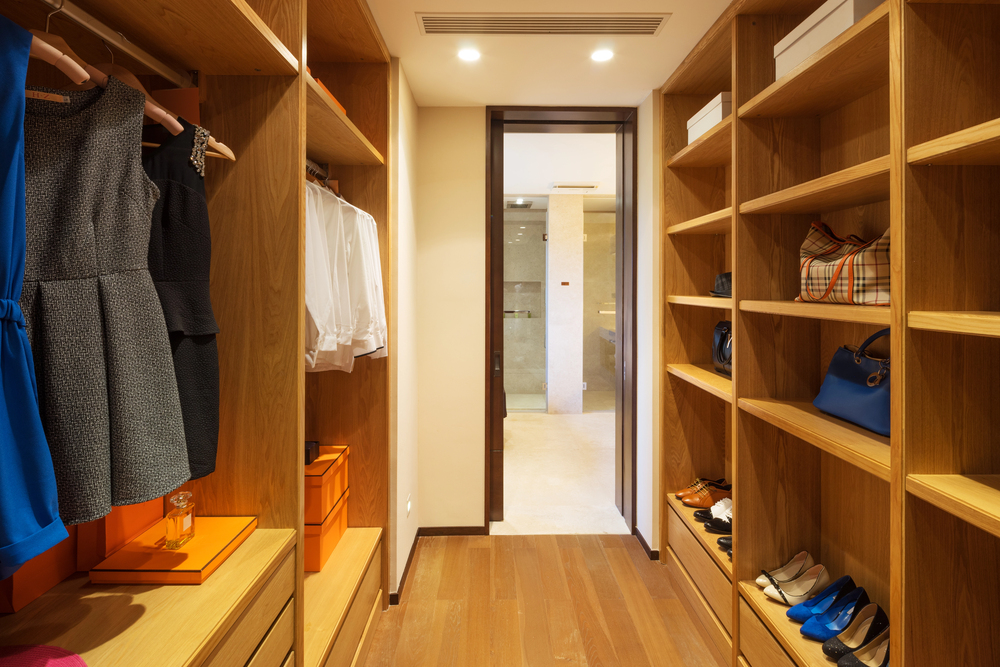
Walk into almost any home, and the closet probably looks fine at first glance. It has shelves, a hanging rod, and enough room to store clothes. On paper, it checks all the right boxes.
Then, everyday life takes over.
Shirts become difficult to pull out because the sleeves catch on each other. Shoes slowly spread across the floor. Holiday decorations end up beside everyday essentials because there’s nowhere else to keep them. Even though the closet technically has enough room, it never quite feels organized.
The problem usually isn’t the amount of space. It’s how that space has been planned.
Many homes in Orlando were built with standard closet layouts that worked for basic storage decades ago. Today’s wardrobes are larger, families share more storage, and many homeowners expect their closets to do much more than simply hold clothes. Add Florida’s humidity into the mix, and good planning becomes just as important as the measurements themselves.
This closet dimensions guide explains what standard closet sizes actually mean, why they don’t always work in real homes, and how thoughtful closet design can create a storage system that feels easier to use every day.
Closet Dimensions Guide: What Are the Standards?
A closet dimensions guide should start with the basics because standard measurements still provide a useful foundation. They simply aren’t the final answer.
Builders typically use dimensions that work for most homes while keeping construction efficient. Those measurements create a functional starting point, but they aren’t customized around your wardrobe, storage habits, or daily routine.
The table below shows the dimensions you’ll commonly see in both new construction and remodeling projects:
|
Closet Type |
Common Recommendation |
|
Reach-in closet depth |
24 inches |
|
Minimum walk-in closet size |
5 ft × 5 ft |
|
Comfortable walk-in size |
6.5 ft × 10 ft |
|
Luxury walk-in |
10 ft × 12 ft or larger |
|
Walking clearance |
36–48 inches |
|
Shelf depth for folded items |
12–16 inches |
These measurements aren’t building requirements. In fact, Orlando building codes don’t specify exact closet dimensions. Instead, the goal is to create a layout that supports everyday use safely and comfortably.
For example, a standard 24-inch-deep reach-in closet works well for most hanging clothes. A larger walk-in closet may need wider walkways, better vertical clearance, and additional storage zones to remain practical as it grows.
The important takeaway is simple: A standard measurement tells you what generally fits. It doesn’t guarantee the closet will work well for your lifestyle, which is exactly why this closet dimensions guide looks beyond the numbers.
Why Standard Closet Dimensions Don’t Always Work
Standard measurements aren’t wrong. They simply assume every homeowner stores and uses belongings the same way. Real life is rarely that predictable.
A closet that feels perfectly adequate during a home tour can become frustrating after only a few weeks of everyday use. As your wardrobe grows and routines change, small design limitations get much easier to notice.
Modern Wardrobes Need More Than One Hanging Rod
Clothing has changed over the years. Many people own longer dresses, heavier winter coats for travel, athletic wear, business attire, handbags, luggage, and seasonal accessories that all compete for the same storage space.
A single rod and one shelf often aren’t enough anymore. Instead of creating order, everything begins competing for the same hanging space. Shirts overlap, jackets become difficult to remove, and shoes gradually migrate onto the floor because there isn’t a dedicated place to keep them.
Adding more square footage isn’t always necessary. Often, simply introducing double hanging rods, adjustable shelving, or dedicated storage zones creates significantly better organization without increasing the size of the closet itself.
Builder Closets Prioritize Construction, Not Daily Living
Many production homes follow the same formula: one wall receives a single rod, a shelf runs across the top, and the remaining vertical space stays largely unused. From a construction standpoint, it’s efficient. From a homeowner’s perspective, it leaves a surprising amount of untapped potential.
Think about everything a modern closet is expected to hold:
- Everyday clothing
- Shoes
- Folded sweaters
- Bags
- Accessories
- Seasonal items
- Extra bedding
- Travel luggage
Trying to fit all of those into one shelf and one hanging section almost guarantees clutter. A better layout doesn’t always require a larger room. It requires allocating the available closet space according to how you actually live.
Shared Closets Create Different Storage Needs
A standard layout often works reasonably well for one person. It becomes much more challenging when two people share the same closet. Suddenly, you’re storing twice as many clothes, different types of footwear, separate accessories, and wardrobes with completely different routines.
- One person may need more hanging room for business attire.
- The other may rely on shelves and drawers for folded clothing.
Without designated storage zones, both people begin adjusting around the closet instead of the closet supporting them. That’s why custom planning often focuses less on adding more storage and more on creating clearly defined areas that make everyday access easier for everyone using the space.
Closet Doors and Layout Can Limit Usable Space
The dimensions on a floor plan only tell part of the story. How you move around the closet matters just as much.
Closet doors are a good example:
- Sliding doors save room because they don’t swing into the bedroom, but they also block part of the opening while you’re getting dressed.
- Bifold doors improve access, yet they still need clearance to fold properly.
- Traditional swing doors require enough floor space to open comfortably.
None of these options is wrong. The key is choosing the right door for the available layout.
For walk-in closet designs, removing unnecessary obstructions often improves the experience more than adding extra square footage. Being able to see and reach everything without working around the door makes the closet feel larger than it actually is.
Florida Homes Add Another Design Challenge
If you live in Central Florida, the climate should influence your closet planning. Humidity doesn’t just affect kitchens and bathrooms. It can also affect clothing, leather goods, and seasonal fabrics stored inside enclosed closets.
A closet packed tightly from wall to wall leaves very little room for air to circulate. Over time, that stagnant air can create musty odors and increase the risk of mildew, especially in older homes where ventilation may already be limited.
Simple design decisions help minimize those problems:
- Using moisture-resistant shelving materials
- Avoiding overcrowded storage
- Leaving enough breathing room between hanging clothes to improve airflow
Many homeowners also benefit from adjustable storage that allows the closet to adapt throughout the year instead of remaining packed with the same items every season. For Orlando homes, good closet planning isn’t only about storage capacity. It’s also about creating a healthier environment for the belongings you want to protect.
Closet Depth Is Only One Piece of Good Design
As this closet dimensions guide shows, one of the biggest misconceptions homeowners have is that a deeper closet automatically solves storage problems. It doesn’t.
Depth certainly matters, but it’s only one part of a functional layout. A well-planned closet balances accessibility, visibility, and organization so every inch serves a purpose.
Standard Depth Works More Often Than People Think
A standard depth of about 24 inches remains practical for most reach-in closets because it comfortably supports standard hangers without wasting floor space.
Problems usually appear when the layout never evolves beyond that single measurement. For example, adding double rods instantly creates additional hanging space for shirts, pants, and shorter garments without changing the footprint of the closet. Sometimes improving storage has less to do with making the closet bigger and more to do with making it work smarter.
Deeper Isn’t Always Better
Adding depth sounds like an easy solution until everyday use tells a different story:
- Shelves become harder to reach.
- Items disappear behind other belongings.
- The back of the closet slowly turns into dead space.
Instead of making storage easier, extra depth often encourages clutter because the farthest areas become difficult to see and use. If you’re planning a larger walk-in closet, it’s usually better to organize storage into dedicated zones than simply making every shelf deeper.
Use Vertical Space Before Expanding the Closet
One of the most overlooked opportunities is the wall above your current storage. Many builder-grade closets stop after one shelf, even though there’s plenty of room above it.
Adding adjustable shelves or installing upper rods creates significantly more storage without changing the overall footprint. You can reserve upper sections for:
- Holiday decorations
- Luggage
- Seasonal clothing
- Keepsake boxes
Keeping everyday items lower and less frequently used belongings higher creates a closet that’s easier to maintain throughout the year.
Layout Matters More Than Measurements
A good closet doesn’t happen because every dimension is perfect. It happens because the layout reflects how you actually live.
Think about your own routine:
- Do you fold more clothes than you hang?
- Do you own more shoes than formal wear?
- Does the closet belong to one person or two?
The answers should influence the design far more than a single measurement. That’s why professionally planned closets often include a combination of adjustable shelving, built-in drawers, open storage, and multiple hanging sections instead of relying on one long shelf and a single rod. When each area has a purpose, the closet becomes easier to organize, easier to clean, and much easier to enjoy every day.
Designing Different Closet Types for Better Functionality
No single closet design works for every home. A hallway linen closet serves a different purpose than a primary bedroom wardrobe, and a shared family closet has completely different storage needs than one used by a single person. Once you understand how each space functions, planning the right layout becomes much easier.
Reach-In Closets
A well-planned reach-in closet can hold far more than most people expect. The challenge isn’t usually the size. It’s making every inch work harder without making the closet feel crowded.
Instead of relying on one long shelf and a single rod, consider dividing the space into smaller, dedicated sections. Simple improvements include:
- Installing double rods to separate shirts and pants.
- Adding adjustable shelves for folded clothing.
- Use lower shelves for everyday shoes.
- Reserving upper storage for luggage and seasonal items.
Many Orlando homes were built with standard reach-in closets that leave valuable vertical space unused. Making use of the wall above the existing shelf often creates more storage than homeowners expect without changing the closet’s footprint.
Walk-In Closets
A larger room doesn’t automatically create a better closet. Many oversized walk-in closet layouts still suffer from poor organization because everything is placed along the walls without a clear plan.
Before choosing shelving or cabinetry, think about how you naturally move through the room and separate the space into simple zones:
|
Zone |
Best Use |
|
Hanging section |
Everyday clothing and longer garments |
|
Shelving |
Folded sweaters and handbags |
|
Drawers |
Jewelry, accessories, and smaller personal items |
|
Upper storage |
Seasonal storage and luggage |
If you’re planning new construction or a major renovation, a comfortable walk-in closet’s dimensions typically start around 6.5 feet by 10 feet. That generally provides enough circulation space while allowing multiple storage sections without making the room feel cramped. For larger layouts, keeping 24 to 30 inches of clearance between opposing cabinets or shelving helps maintain comfortable movement throughout the space.
Shared Closets
Sharing a closet changes everything. Two people rarely organize their belongings the same way. One person may hang nearly every piece of clothing, while the other prefers folded storage. Shoes, accessories, and everyday essentials also compete for the same shelves unless the layout clearly separates responsibilities.
Instead of sharing every shelf, divide the closet into personal zones. Each person should have a dedicated:
- Hanging sections
- Drawer space
- Shoe storage
- Shelving for folded clothing
This approach reduces clutter because everyone knows exactly where belongings belong. If space allows, adding a full-length mirror near the entry also makes the room more functional without interrupting traffic flow.
Small Closets Can Still Feel Spacious
A smaller closet doesn’t have to feel limiting. Good planning often has a greater impact than additional square footage. Floor-to-ceiling storage, slimmer shelving, and better organization allow compact closets to perform surprisingly well.
You can also create more usable storage by:
- Use upper shelves for less frequently used items.
- Installing pull-out organizers instead of deep fixed shelves.
- Keeping everyday belongings at eye level.
- Limiting bulky storage boxes that block visibility.
The goal isn’t filling every available inch. It’s creating enough open space that the closet remains comfortable to use every day.
Common Closet Planning Mistakes
Many closets become frustrating long before they become full. Small planning mistakes gradually reduce efficiency until the space feels disorganized, no matter how often you clean it. Fortunately, most of these problems are avoidable.
1. Designing Around Measurements Instead of Daily Habits
Dimensions matter, but routines matter more. A closet designed around standard measurements alone may technically be correct while still making everyday tasks more difficult.
Think about how you actually get ready each morning. The items you wear most often should be the easiest to reach. Seasonal clothing, luggage, and keepsakes belong farther away because they’re used less frequently. Planning around your habits creates a closet that continues working long after installation.
2. Ignoring Vertical Storage
Many closets stop halfway up the wall. Everything above the top shelf becomes empty space.
Adding adjustable shelving or upper storage allows that unused area to hold luggage, seasonal decorations, and rarely used belongings without taking away room from everyday clothing.
3. Buying Organizers Before Fixing the Layout
Storage products are helpful, but they aren’t a substitute for thoughtful planning. Adding more baskets or containers often hides clutter rather than solving it.
Before purchasing organizers, ask yourself whether the existing layout supports the way you use the closet. If it doesn’t, improving the design usually delivers better long-term results than buying more accessories. A functional closet isn’t measured by how many shelves it has. It’s measured by how easily it supports your daily routine.
When Standard Closets Stop Working
If there’s one takeaway from this closet dimensions guide, it’s that most homeowners don’t decide to upgrade a closet because they measured it.
You may notice:
- Clothes are piling onto a chair because there isn’t enough hanging space.
- Shoes are starting to spread across the floor.
- Seasonal storage is slowly taking over everyday storage.
- Finding something simple is becoming harder than it should be.
These are often signs that the layout—not the size—is working against you.
If you’ve reorganized the same closet several times without lasting results, it may be time to think beyond standard measurements. A thoughtfully planned custom closet can be designed around your wardrobe, your room, and the way you actually live instead of forcing everything into a one-size-fits-all layout.
For many Orlando homeowners, that’s the difference between constantly managing clutter and having a closet that stays organized with far less effort.
Design a Closet That Works for the Way You Live
A good closet isn’t defined by standard measurements alone. The goal of this closet dimensions guide is to help you create a storage system that works for the way you actually live. It’s defined by how easily it supports your daily routine. The right dimensions, thoughtful layout, and well-planned storage all work together to create a space that’s easier to organize, easier to maintain, and more enjoyable to use every day.
If you’re planning a closet renovation in Orlando, Nu Kitchen Designs can help you move beyond builder-grade layouts with custom storage solutions designed around your home and lifestyle. From the partial measurements to the finished installation, every detail is planned to maximize functionality, improve organization, and make better use of the space you already have.
Frequently Asked Questions
What are the standard closet dimensions?
Most reach-in closets are about 24 inches deep, while a comfortable walk-in closet generally starts around 6.5 feet by 10 feet. These measurements are good starting points, but the best dimensions depend on your storage needs and room layout.
Is a deeper closet always better?
No. Extra depth can actually create dead space if items become difficult to reach or see. A balanced layout with the right shelving, hanging areas, and circulation often performs better than simply making the closet deeper.
What size should a walk-in closet be?
A minimum 5-foot by 5-foot layout works for many homes, while larger walk-in closets provide more flexibility for shared wardrobes, additional storage, and improved movement.
Are custom closet dimensions worth it?
If your closet constantly feels crowded despite regular organizing, custom planning can make a significant difference. Designing storage around your wardrobe and daily routine often creates a more functional space without increasing the room’s footprint.