
If you’ve been thinking about a kitchen remodel, you’ve probably saved inspiration photos and imagined what your new kitchen could look like. More storage, better lighting, updated countertops, and a layout that finally makes cooking easier for your family. But once planning begins, many of you might realize something important: remodeling here has its own set of realities.
Across Central Florida, homes were built in different decades, often with slab foundations, evolving electrical standards, and layouts that reflect how people lived at the time. Add humidity, busy lifestyles, and changing local building codes, and the planning stage becomes just as important as the design.
That’s why kitchen remodeling in Orlando often requires a little more strategy than most people expect. With careful planning and a reliable design team, the kitchen remodeling journey becomes far smoother and ultimately leads to a dream kitchen that fits your daily life and enhances your home’s long-term value.
Orlando Neighborhoods Were Built in Different Construction Eras
One of the first things you notice when planning kitchen remodeling in Orlando is how different houses can be depending on when they were built. Orlando homes expanded rapidly over several decades, and those growth periods left their mark on kitchen layouts.
For example, older neighborhoods like Conway or College Park often feature smaller kitchens with a more closed existing layout. Meanwhile, homes built in the 1990s and early 2000s began introducing larger kitchens and more open spaces. Newer communities around Lake Nona often include the wide, open modern kitchens many homeowners expect today.
Those differences influence what’s possible during an Orlando kitchen remodel. Some homes require structural changes to open walls or expand space. Others simply need thoughtful interior design and maximizing storage to make the kitchen feel larger.
Understanding your home’s construction era helps your design team guide the design process and develop a functional layout that improves both workflow and aesthetic appeal.
Florida Slab Foundations Change What Can Be Moved
Most homes across Central Florida sit on concrete slab foundations rather than crawlspaces or basements. While this construction style is common in Florida, it quietly influences what can happen during kitchen renovations.
When planning kitchen remodeling in Orlando, relocating a sink, dishwasher, or island plumbing may require cutting into the concrete slab beneath the flooring. That process can involve additional construction steps and coordination.
Common adjustments may include:
- Saw cutting sections of slab concrete
- Rerouting plumbing lines beneath the floor
- Adjusting pipe elevations before installing new cabinets
Because of this, evaluating the existing layout early helps prevent unnecessary surprises later in the remodeling process.
It’s not a limitation. It’s simply part of the reality of remodeling in Florida. When addressed early with the right expert advice, slab foundations rarely stop great design. They just require smarter planning, so your new space functions exactly the way you expect.
Indoor–Outdoor Living Shapes Orlando Kitchen Layouts
Living in Orlando means spending time both inside and outside the home. Many houses connect the Orlando kitchen directly to patios, lanais, or pool areas, and that connection often shapes how kitchens are redesigned.
During kitchen remodeling in Orlando, designers often pay close attention to traffic flow between indoor and outdoor spaces. Sliding glass doors, backyard gatherings, and family events all influence the layout.
Important design considerations may include:
- Keeping pathways open between the kitchen and patio doors
- Designing islands that encourage conversation and culinary creativity
- Planning seating that works for both everyday meals and entertaining
When planned well, the kitchen becomes more than a cooking zone. It becomes the hub of the house.
A thoughtful kitchen remodel can transform how your family gathers, allowing your kitchen to support the relaxed indoor-outdoor lifestyle that makes Orlando living so enjoyable.
Air Conditioning and Airflow Play a Bigger Role Than Most People Expect
One detail many might overlook during kitchen remodeling in Orlando is airflow. In Florida’s climate, air conditioning systems run most of the year, and kitchen design can influence how well that cool air moves through your home.
Large appliances, tall cabinetry, and poorly placed vents can block circulation. That’s why an experienced designer evaluates airflow to ensure AC return vents remain unobstructed and that heat-generating appliances, like ovens and refrigerators, have proper ventilation to prevent heat pockets.
Things a good plan often considers include:
- Placement of air return vents near the kitchen
- Cabinet height around ceiling vents
- Heat generated by modern appliances
- Air circulation around refrigerators and ovens
It’s these small details that actually impact how much you enjoy your kitchen on a Tuesday night. When your layout is planned around your vents, the room stays cool even when the oven is at 350°F. If you add LED task lighting to the mix, you get a bright workspace that doesn’t feel like a heat lamp, so you aren’t constantly fighting your AC just to prep dinner.
Modern Kitchen Appliances Often Outgrow Older Electrical Systems
Technology has transformed the way kitchens operate. Today’s kitchens often include energy-efficient appliances, built-in refrigerators, beverage centers, and advanced cooking equipment. But older homes in Central Florida were rarely designed for this level of electrical demand.
During kitchen remodeling in Orlando, your team may evaluate the electrical capacity of the house to ensure it supports modern appliances safely.
For example, a kitchen today might include:
|
Appliance |
Electrical Consideration |
|
Induction cooktops |
Dedicated circuits |
|
Double ovens |
Higher electrical load |
|
Beverage refrigerators |
Dedicated 20-amp Circuits |
|
Ventilation hoods |
Upgraded wiring |
When electrical planning happens early, the remodeling experience becomes smoother. Your design team can coordinate electrical upgrades with the broader remodeling services and keep the project moving efficiently.
It’s another example of how planning ahead helps you achieve a successful kitchen remodel without unexpected delays.
Remodel Timelines Can Be Influenced by Local Requirements
Another factor that shapes kitchen renovation is the permitting and approval process. Depending on the scope of your project, certain upgrades may need review by local authorities.
Electrical changes, plumbing relocations, or wall modifications sometimes require permits to ensure work meets current local building codes. While this process can add time to the schedule, it also protects your investment and helps maintain safety standards.
Several factors can influence the timeline of kitchen renovations:
- Structural evaluations when removing walls
- Electrical upgrades for modern appliances
- Plumbing adjustments for relocating a sink
- Inspection scheduling through local departments
For many homeowners, the key is setting realistic expectations. With clear communication and strong scheduling accuracy, an experienced kitchen remodeler can guide you through each stage of the remodeling process.
The goal isn’t just finishing construction quickly. It’s ensuring every part of the renovation is completed correctly so your new kitchen delivers lasting performance and long-term value.
How to Plan a Kitchen Remodeling That Works for Orlando Homes
If there’s one thing to learn during kitchen remodeling, it’s that preparation makes all the difference. A well-planned remodel often begins long before construction starts.
Here are a few principles that help guide a successful kitchen remodel:
1. Understand your home’s structure
Evaluate the existing layout and determine whether structural changes are needed before redesigning the space.
2. Choose Durable, Moisture-Resistant Materials
Florida’s high humidity doesn’t just stay outside. It affects the longevity of your interior finishes. When choosing materials, it is vital to opt for all-wood cabinetry construction or moisture-resistant finishes rather than standard particle board, which can swell or warp in Central Florida’s damp climate. Pairing these with non-porous surfaces like quartz or sealed granite countertops ensures your kitchen maintains its beauty and structural integrity against the daily wear of a humid environment.
3. Focus on storage and workflow
Thoughtful cabinet planning, custom cabinets, and maximizing storage improve everyday usability.
4. Plan appliances early
Integrating energy-efficient appliances during the design process avoids costly adjustments later.
5. Work with experienced professionals
A skilled design team, offering expert craftsmanship and guidance, ensures your kitchen remodeling journey remains organized and aligned with your budget.
With the right planning, your kitchen remodel becomes more than a construction project. It becomes a meaningful set of home improvements that elevate both your home and your lifestyle.
Creating a Kitchen That Works for the Way You Live
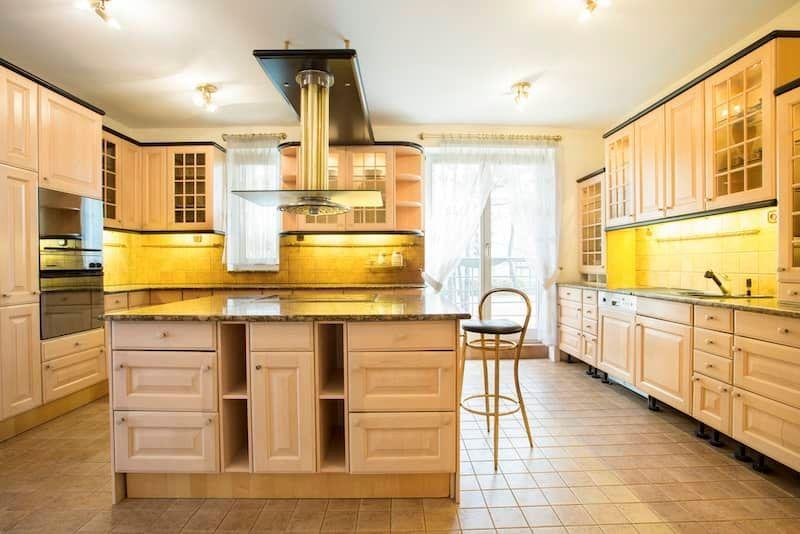
When planning a remodeling in Orlando, the goal is never just to install new cabinets or replace countertops. It’s about creating a space that improves how your family uses the home every day.
At Nu Kitchen Designs, the team understands the details that make remodeling in Orlando successful, from evaluating the existing layout to guiding homeowners through selecting materials and designing kitchens that balance beauty with functionality. You can explore examples of their recent work in the project gallery.
Through thoughtful interior design, high-quality cabinets, and durable surfaces like granite and premium countertops, each Orlando kitchen remodel is built with longevity in mind. The focus is always on clear communication, practical design, and delivering a seamless and rewarding experience.