
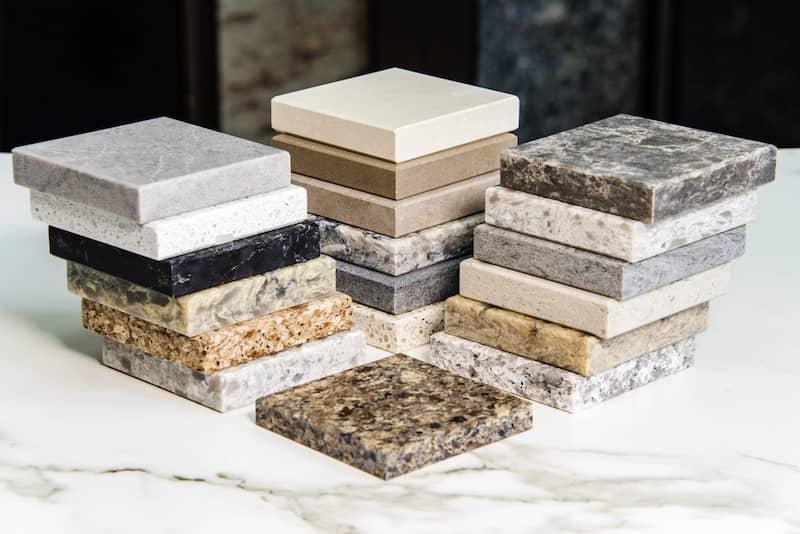
Deciding on quartz vs granite is usually when an Orlando kitchen remodel starts to feel real. But it’s also where the headaches begin. You’ll have one person telling you quartz is bulletproof while the next swears that natural granite is the only way to go for a Florida home. The problem is that most of the advice you find online is generic. It doesn’t account for how a countertop actually handles our intense afternoon sun or a house full of guests in a place like Lake Nona.
In Central Florida, homes face unique demands. Between the intense UV rays streaming through large west-facing windows and the humidity levels near sun-drenched lanais, the best material depends entirely on your home’s environment. A slab that looks stunning under showroom LEDs can perform very differently when it’s the hub of a high-traffic Lake Nona home.
This guide breaks down how granite and quartz truly hold up in Orlando, covering maintenance realities, resale value, and the installation choices that prevent long-term regret.
Quick Key Takeaways
|
Quartz vs Granite Comparison Table for Orlando Homeowners
When homeowners compare quartz vs granite, they usually focus on appearance first. That makes sense. Countertops become one of the biggest visual elements in the entire kitchen. But after a few months of cooking, cleaning, entertaining, and dealing with Florida heat, practicality starts mattering a lot more.
Here is where the two countertop materials differ most in real-day-to-day use.
|
Feature |
Quartz Countertops |
Granite Countertops |
|
Maintenance |
Low maintenance |
Require periodic sealing |
|
Heat Resistance |
Moderate |
High heat resistance |
|
UV Resistance |
Lower |
Better for sunlight exposure |
|
Appearance |
Consistent patterns |
Unique patterns and natural beauty |
|
Surface Type |
Non-porous surface |
Porous natural stone |
|
Cleaning |
Easier cleanup |
More upkeep over time |
|
Durability |
Highly durable |
Highly durable |
|
Best For |
Busy households |
Serious cooking kitchens |
|
Risk Factor |
Heat damage from hot pans |
Stains if sealing is neglected |
For many Orlando homeowners, the decision comes down to lifestyle. If you want something simple that resists stains and handles messy family life well, quartz often becomes the easier option. If you cook heavily and constantly move hot pots around the kitchen, granite still holds a strong advantage.
The important thing is understanding how these materials behave in real Florida conditions instead of relying on generic showroom advice.
Why Orlando Kitchens Create Different Countertop Problems
A countertop that performs well in another state may not behave the same way in Florida. Orlando homes deal with stronger sunlight, heavier humidity, and more open indoor-outdoor living than many homeowners realize. That changes how kitchen countertops age over time.
Florida Sunlight Changes How Countertops Age Countertops.
This is one issue that many national blogs barely mention.
In Orlando, big windows and sliding glass doors are everywhere. Homes in Winter Park, Lake Nona and Windermere often have open kitchens connected directly to lanais or pool areas. That means the countertops sit under strong sunlight for hours every day.
Quartz contains resin binders because it is made from engineered stone surfaces. Those resins can discolor over time when exposed to heavy UV light. It does not happen overnight. But kitchens with intense western-facing sun sometimes develop uneven fading years later.
Granite behaves differently because it is quarried from natural rock. Since it is a natural stone, it generally handles UV exposure better.
A homeowner may love bright white quartz in a showroom. But in a kitchen flooded with afternoon sunlight, that same slab may need more careful placement and planning.
Humidity and Temperature Swings Affect Materials Differently
Florida kitchens go through constant temperature shifts.
You walk from humid outdoor heat into cold air conditioning several times a day. Homes near pool areas or sliding doors experience even bigger swings. Over time, moisture and condensation can affect porous materials differently.
Granite is porous by nature. Without regular sealing, moisture can slowly work into the surface and create staining problems. Areas near sinks become especially vulnerable.
Quartz has a non-porous surface, so it handles moisture better and helps reduce bacteria buildup. That becomes important in kitchens where spills happen constantly.
Still, no countertop material is maintenance-free forever. Even quartz surfaces can dull if harsh cleaners are used repeatedly.
Open Floor Plans Create More Daily Wear
Modern Orlando kitchens rarely stay quiet.
The kitchen now connects to almost every part of the home. Kids eat at the islands. Guests gather around counters during parties. Grocery bags, laptops, backpacks, and hot pans all end up on the same surface.
That daily traffic counts.
For example, a family cooking every night may value heat-resistant granite more than perfectly uniform aesthetics. Meanwhile, homeowners who want a cleaner look with easier maintenance often lean toward quartz.
This is why granite vs quartz countertops should never be treated as just a design decision. The way your kitchen functions every day affects which material actually makes sense long term.
Why Many Orlando Remodelers Recommend Quartz Right Now

There is a reason quartz continues dominating many Orlando remodeling projects right now. Homeowners want cleaner designs, lower maintenance, and surfaces that fit modern lifestyles without creating extra work later.
That does not mean quartz is perfect for every home. But for many busy households, it solves more day-to-day frustrations.
Quartz Fits Modern Orlando Kitchen Design Trends
A lot of newer Florida homes lean toward cleaner and brighter interiors.
You see more waterfall islands, slab backsplashes, lighter cabinetry, and simplified finishes. Quartz works well in these spaces because the patterns stay more consistent across the slab.
Granite has more natural movement and variation. Some homeowners love that. Others feel it creates visual noise inside more minimal modern interiors.
Quartz also pairs easily with painted cabinets, wood accents, and mixed metal finishes. That flexibility helps homeowners create a polished look without fighting against dramatic stone movement.
Lower Maintenance Is the Biggest Selling Point
This is usually the deciding factor.
The best thing about quartz is that it’s non-porous. Meaning messes sit on the surface rather than soaking into the counter and creating a headache later. You do not need regular sealing. You also spend less time worrying about oil spills, wine marks, or water spots near the sink.
For busy families, that matters more than people expect.
A homeowner with young kids may clean the kitchen several times a day. Coffee spills, pasta sauce, juice, and cooking messes happen constantly. Quartz handles that type of routine more easily.
That is why many homeowners describe quartz as lower-stress ownership.
Quartz Performs Best for Busy Family Kitchens
In real life, convenience often wins.
Many Orlando families want countertops that simply work without constant upkeep. Quartz provides that balance. It looks polished, feels durable, and usually requires less attention over time.
It also helps that quartz comes in many colors and styles that mimic marble or natural stone without some of the maintenance concerns.
For homeowners trying to balance aesthetics with practicality, quartz becomes an excellent choice.
Where Quartz Can Become a Bad Fit
Quartz still has limitations.
Despite being highly durable, quartz does not love extreme heat. Placing hot pans directly onto the surface can damage resin binders or leave marks.
Kitchens with heavy direct sunlight can also become risky, depending on slab placement.
This is where working with experienced fabricators matters. A good remodeler understands how Florida homes behave. They help homeowners avoid slab choices that may look beautiful initially but create problems later.
That local experience makes a major difference in long-term satisfaction.
Where Granite Still Outperforms Quartz
Even with quartz becoming more popular, granite still holds advantages that many homeowners care deeply about. In the right kitchen, granite can outperform quartz both functionally and visually.
The key is understanding where it shines.
Granite Handles Heat Better Long Term
This remains granite’s biggest advantage.
Granite is naturally heat-resistant because it comes directly from quarried stone. Serious home cooks often prefer it because the surface tolerates hot pots and hot pans much better.
That matters more than many people realize.
Some homeowners cook heavily every single day. Large family meals, cast-iron cookware, and baking routines create constant heat exposure. Granite handles those situations with less risk.
Quartz can tolerate some heat, but repeated direct exposure may weaken the material over time.
For homeowners who truly live in the kitchen, granite often feels more forgiving.
Natural Stone Still Wins for Character
No two granite slabs look exactly alike.
That uniqueness becomes part of the appeal. Many homeowners still love the depth, movement, and natural beauty that comes from real stone.
Quartz patterns continue improving, but some people feel engineered materials still lack the same organic character. This becomes especially important in high-end custom homes.
Mediterranean-inspired Orlando homes, traditional kitchens, and luxury spaces often pair beautifully with dramatic granite patterns. In these settings, granite creates warmth and essence that some engineered surfaces find it difficult to replicate.
Granite Often Appeals More to Traditional Orlando Homes
Not every Orlando home follows a modern design trend.
Many neighborhoods still feature warmer finishes, wood cabinetry, and more traditional layouts. Granite naturally fits those environments better.
A polished granite slab paired with rich cabinetry creates a timeless feel that continues performing well in the Florida market.
Homeowners trying to preserve architectural character often lean toward granite for this reason.
The Maintenance Trade Off Most Homeowners Underestimate
This is where things become more complicated.
Granite usually requires sealing to help prevent staining. Some slabs require regular sealing more often than others, depending on porosity.
Without maintenance, spills can slowly absorb into the surface.
Oil, wine, coffee, and acidic foods become the biggest risks. Areas near sinks also collect moisture faster.
That does not mean granite is difficult to own. But it does require more attention compared to quartz.
Homeowners who understand that upfront are usually happier with the long-term results.
The 10 Year Cost of Quartz vs Granite in Orlando
Initial price matters. But the long-term ownership cost matters too.
Many homeowners focus heavily on the upfront quote, without thinking about maintenance, repairs, fabrication quality, or long-term upkeep. That creates problems later, especially during a major kitchen remodel, in which every decision affects the total budget.
Initial Material and Fabrication Costs
The starting cost between granite vs quartz often overlaps more than people expect.
Some granite slabs cost less than premium quartz. Meanwhile, rare granite patterns can become significantly more expensive than engineered materials.
Fabrication also changes the equation.
Edge profiles, waterfall islands, cutouts, seam placement, and slab thickness all affect price. A large kitchen island with complex cuts will naturally cost more regardless of material.
This is why comparing countertops based only on price per square foot rarely tells the whole story.
Granite’s Long-Term Maintenance Costs Add Up
Granite remains highly durable, but it usually requires more upkeep. Over ten years, homeowners may spend money on:
-
- Regular sealing
-
- Professional polishing
-
- Stain removal treatments
-
- Surface maintenance products
Those costs are not massive individually. But over time, they add up.
For example, a homeowner who forgets to seal for several years may eventually deal with permanent staining around sinks or cooking areas. Fixing those issues becomes more expensive later.
Quartz avoids many of those maintenance concerns because the surface is non-porous.
Quartz Usually Costs Less to Maintain Over Time
From a purely financial standpoint, this is where quartz usually pays off.
Because quartz resists stains and does not require sealing, the ownership experience becomes simpler. Homeowners spend less time maintaining the surface and usually avoid professional upkeep costs.
That convenience matters for busy households. You clean the counter. You move on with your day. That predictable maintenance routine becomes a major reason many Orlando remodelers continue recommending quartz.
Cheap Fabrication Creates Expensive Problems Later
This is the part many homeowners overlook. A bad fabricator can ruin both granite and quartz.
Poor seam placement, weak cabinet support, uneven installation, or sloppy cuts create problems that become impossible to ignore once the kitchen is finished.
Visible seams are one of the biggest complaints homeowners make after choosing cheaper installation companies.
For example, a low quote may sound attractive initially. But if the seam runs directly through the center of an island or the slab shifts unevenly later, the savings disappear quickly.
Experienced installers know how to match patterns, reinforce weak areas, and protect the integrity of the slab. That expertise matters more than many homeowners realize.
Why the Lowest Countertop Quote Usually Comes With Trade-Offs
There is usually a reason one quote comes in dramatically lower. Some companies cut corners on installation labor. Others use lower-quality slabs or outsource fabrication work.
Countertops are not just decorative pieces. They are working surfaces that deal with constant daily use. A properly installed countertop protects both aesthetics and long-term durability. In many cases, paying slightly more upfront helps prevent far more expensive frustrations later.
Which Countertop Material Holds More Resale Value in Orlando?
Countertops influence resale more than many homeowners expect. Buyers notice kitchens immediately. In competitive Orlando neighborhoods, the wrong material can make a remodel feel dated faster than you think.
Still, resale value is not just about choosing granite or quartz. The overall design needs to feel cohesive.
What Buyers in Winter Park and Lake Nona Expect
Many Orlando buyers now expect updated kitchens. Older laminate counters immediately stand out in higher-value neighborhoods. Buyers want durable surfaces, clean finishes, and kitchens that feel move-in ready.
Quartz currently dominates many newer remodels because buyers associate it with lower maintenance and modern style. That does not mean granite performs poorly. But market expectations have shifted.
Why Quartz Is Dominating Many Mid to High End Remodels
A lot of buyers prefer convenience. Quartz countertops are easier to maintain. The cleaner patterns also fit the current design trends better in many modern interiors.
Large bright kitchens with white cabinetry and lighter flooring often pair with quartz naturally. Buyers also like to hear that the material resists stains and does not require sealing. Those useful benefits matter during the resale conversations.
Granite Still Performs Well in Luxury and Traditional Homes
Granite still holds strong appeal in many homes. Luxury buyers often appreciate the uniqueness of natural stone. Dramatic veining and bold slab movement can make a kitchen feel custom and high-end.
Traditional Orlando homes also pair well with granite.
For example, a Mediterranean-style home with darker wood cabinetry may feel more authentic with granite instead of a cleaner engineered surface.
This is why resale value depends heavily on matching the countertop material to the style of the house.
Countertop Choice Alone Does Not Guarantee ROI
This is important. A beautiful slab cannot fix a poor layout. Homeowners sometimes overspend on expensive countertops while ignoring cabinetry, lighting, storage, or kitchen workflow . Buyers notice the entire kitchen experience, not just the counter surface.
A balanced remodel usually performs better financially. That means choosing materials that fit the overall space, the neighborhood market, and the way people actually live inside the home.
In many Orlando homes, thoughtful remodeling decisions create stronger resale outcomes than simply choosing the most expensive material available.
What Makes a Countertop Decision Feel Less Risky?
Most homeowners are not afraid of choosing between quartz vs granite. They are afraid of regretting the decision later. That is why slab selection, layout planning, and installation quality matter so much during a remodel. The right countertop should fit your cooking habits, maintenance expectations, sunlight exposure, and overall kitchen style.
At Nu Kitchen Designs, homeowners receive guidance based on how Orlando kitchens actually function in real life. From helping you compare countertop material options to planning layouts that support long-term durability, the goal is to create kitchens that still feel practical years after installation.
The best remodeling decisions usually come from understanding how the kitchen will truly be used every day, not simply following trends.